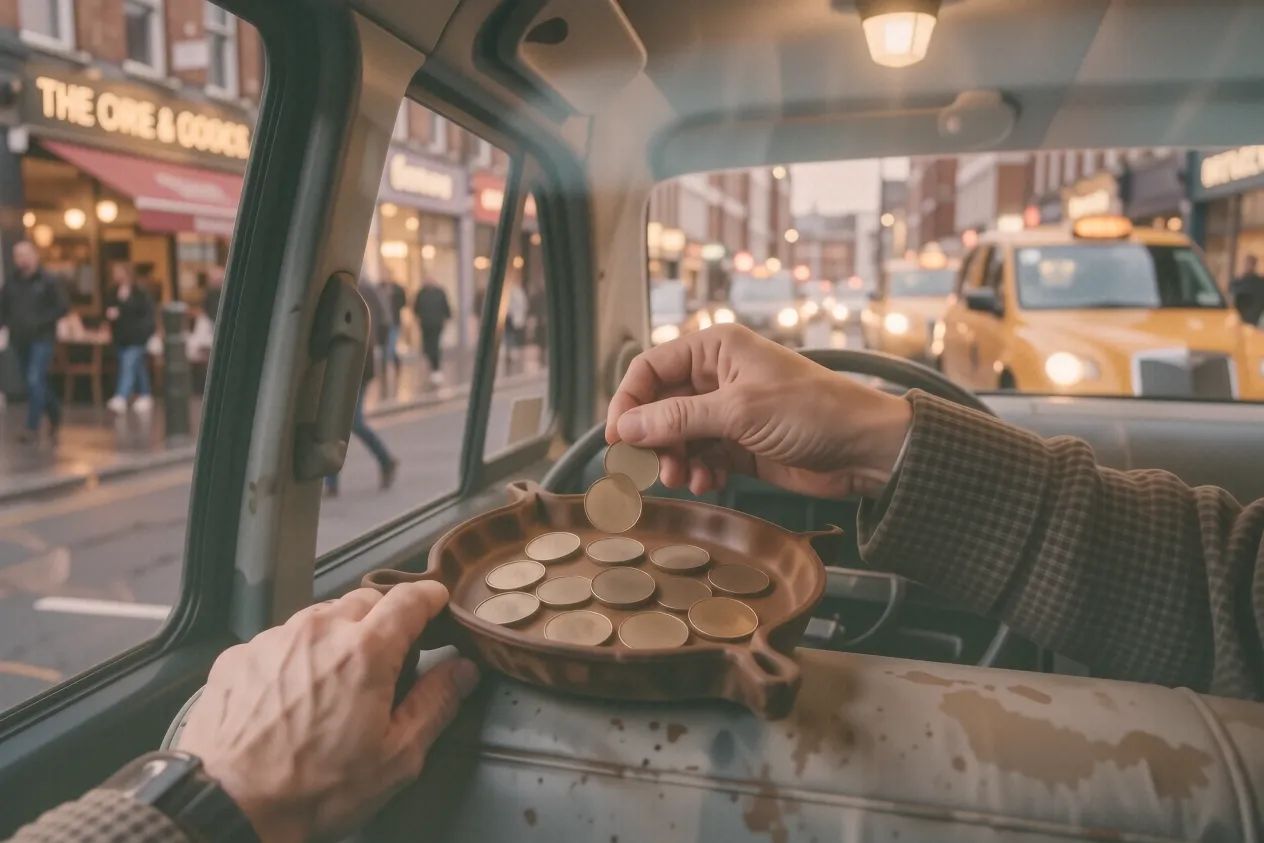
American visitors often arrive in London feeling a distinct sense of anxiety regarding the fare. They expect to calculate 20% or 25% for every ride because that is the standard back home. This creates unnecessary stress when a black cab pulls up outside a hotel in Mayfair. In the UK, the rules differ significantly from US customs. Drivers do not rely on tips to meet a minimum subsistence level. They earn a base wage through their licensed work. We see many tourists overpaying simply because they fear being rude. You can relax. Tipping in Britain is an optional gesture of thanks rather than a mandatory service charge. It remains a way to show appreciation for a smooth journey or helpful assistance with heavy bags.
The fundamental difference in wage structures
Tipping culture differs here. US drivers often rely on tips to survive because their base hourly rate is low. British taxi drivers operate under different economic models. They receive a legitimate income through the fares they collect via TfL meters or pre-booked rates.
You do not need to tip for the service alone. While a generous passenger might add a bit extra, it is never expected as a part of the driver’s survival. If you choose not to tip, the driver will not be offended. They expect a round figure most of the time.
Black cabs versus private hire minicabs
Black cabs are different. These vehicles, like the LEVC TX electric model, are licensed by Transport for London to cruise the streets. Because they can take immediate hails on the road, their operational costs are higher.
Many passengers round up the fare for a black cab. If your meter reads £14.20, giving £15.00 is standard practice. For longer trips across London zones, such as a journey from Chelsea to Canary Wharf, a 10% tip is a kind gesture.
Minicabs operate on a pre-booked basis. You call them or use an app to request a car. These drivers often work for specific firms that set fixed prices. Tipping these drivers is even less common than with black cabs. You might give a pound or two if they help with luggage, but it is not the norm.
Using digital payments and card prompts
Most modern vehicles accept contactless payments. This has changed how people tip. When you tap your card on a reader, the machine often asks if you want to add a gratuity.
You will see percentage options on the screen. These prompts can feel intrusive to some passengers. You can simply select “no tip” or “0%” without any social awkwardness. The driver will not see your selection immediately in most cases.
If you prefer to keep things simple, just pay the exact amount shown on the meter. If you want to be generous, adding a few pounds via the machine is perfectly fine. Some passengers find it easier to politely tell a taxi driver not to talk to you while they are busy managing the digital transaction and the fare.
When extra service deserves a larger tip
Sometimes you should tip more. Heavy luggage requires extra physical effort. If a driver hauls three large suitcases up a narrow flight of stairs in a Kensington townhouse, an extra £2 or £5 is appropriate.
Late night journeys also merit a little extra. A driver working at 3:00 AM on a Tuesday might appreciate a slightly higher gratuity. This is especially true if they provide a safe, calm environment after a loud night out in Soho.
Wheelchair-accessible assistance is another scenario for generosity. Providing space and care for passengers with mobility needs takes time and specific vehicle knowledge. If the driver goes the extra mile to ensure you are comfortable, a larger tip shows your appreciation. You might also consider it if they provide helpful local directions or wait while you run into a shop.
Uber etiquette in the United Kingdom
Uber operates differently from traditional cabs. The app handles the payment automatically after the trip ends. You can choose to add a tip within the app once the ride is finished.
Tipping on Uber in the UK is entirely optional. It is much less expected than it is in New York or Chicago. Most British users rarely use the tipping feature for short, standard trips.
If your driver was exceptionally helpful, you can add a small amount through your phone. This does not happen in real-time while you are sitting in the car. It is a quiet, private way to show thanks. We suggest checking how to tip taxi drivers in London if you want to compare Uber with traditional street-hailed services.
Airport transfers and long distances
Airport runs are expensive. A trip from Central London to Heathrow might cost between £60 and £80 depending on the vehicle type.
For these longer journeys, a 10% tip is a very solid benchmark. If the fare is £75, adding £7 or £8 is a generous way to say thank you for the long drive. This is especially true if they meet you at the arrivals hall with a sign.
Regional variations are minimal. Whether you are in Edinburgh, Cardiff, or Belfast, the tipping customs remain largely the same as in London. You won’t find a massive culture shock by travelling between these cities. The “round up” rule remains the safest bet for any UK traveller.
Cash versus card preferences
Cabbies often prefer cash. While digital payments are legal and widespread, physical notes go straight into a driver’s pocket.
If you have small notes, use them. A £2 coin or a £5 note is very useful for a driver during a shift. It allows them to make change for other passengers throughout the day.
Card tips are still useful, but they may take longer to process through the company’s system. If you want your tip to be immediate and personal, cash is king. However, never feel pressured to carry large amounts of change just for this purpose.
Frequently asked questions
- Should I tip 20% like in America?
- No, that is far too much for the UK. British drivers earn a standard wage and do not rely on tips to survive. A 10% tip or simply rounding up to the nearest pound is more than sufficient for most trips.
- What if I don't tip at all?
- Nothing happens. It is perfectly fine to pay only the fare shown on the meter or the app. Drivers do not expect a tip as a mandatory part of the service, so you will not cause offense by paying the exact amount.
- Is it better to tip in cash or on my card?
- Both are acceptable, but many drivers appreciate cash. Cash tips are immediate and easy for them to use during their shift. If you use a card, the tip is processed through the vehicle's payment system.
- How much should I tip for an airport transfer?
- For a typical £60 to £80 airport journey, a tip of around 10% is a kind gesture. This shows appreciation for the long distance and any help provided with your luggage during the trip.
- Do I tip if the driver helps with my bags?
- Yes, this is a great time to tip. If a driver carries heavy suitcases or assists with a pram, adding an extra £2 or £5 is a polite way to acknowledge their physical effort.
- Does tipping change in Scotland or Wales?
- The customs are very similar across the entire UK. Whether you are in London, Glasgow, or Cardiff, rounding up the fare or giving 10% for long trips remains the standard expectation.
- Will the driver be angry if I select 'no tip' on the screen?
- No, they will not be angry. The digital prompts are a standard part of modern TfL-licensed vehicle payment systems. Most drivers understand that passengers have different preferences regarding digital gratuities.
Sources
Published 11 May 2026.