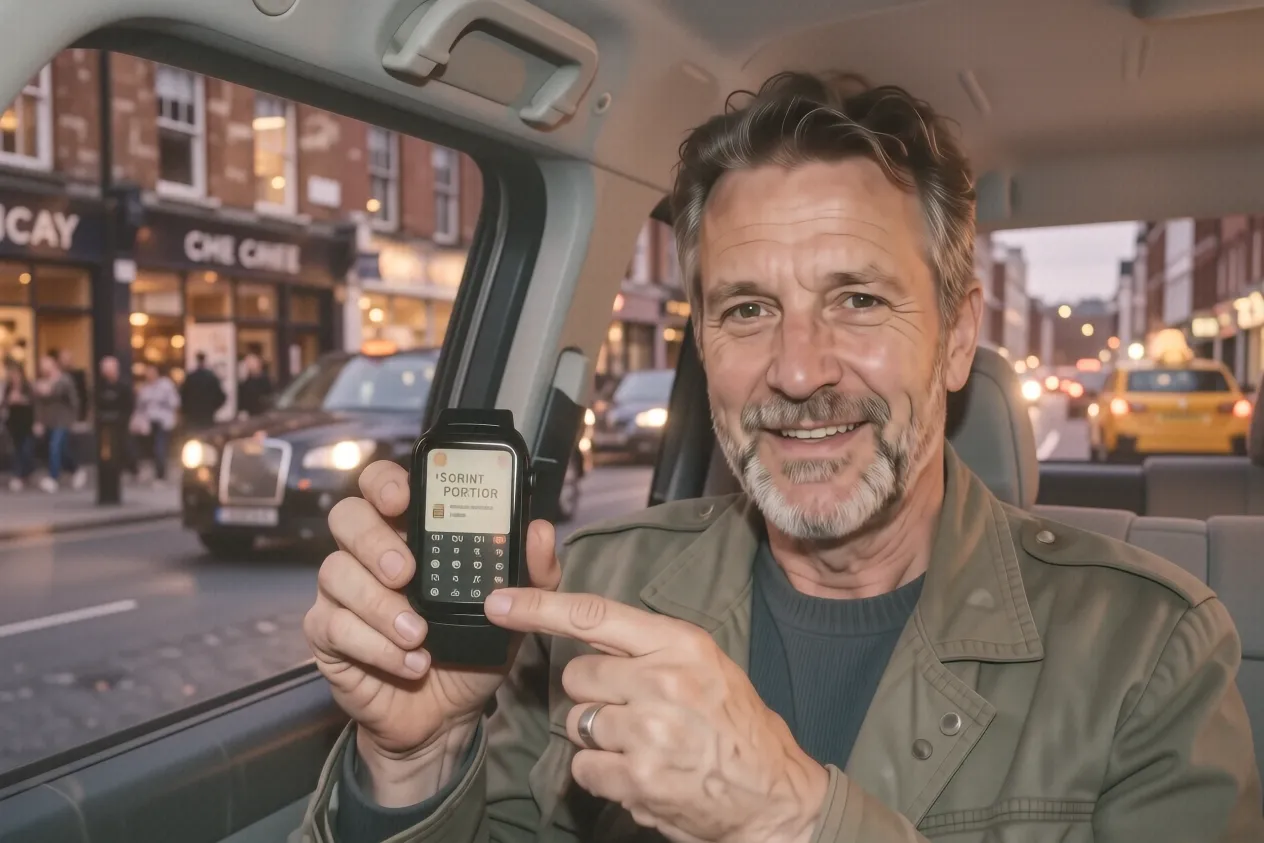
Most London black cabs accept Apple Pay and Google Pay via their in-cab card terminals. Since 2016, Transport for London (TfL) has mandated that all licensed Hackney carriages carry working card machines to facilitate cashless travel. While most drivers support contactless mobile wallets, some independent minicabs or older private hire vehicles might only accept physical plastic cards. Always confirm the payment method before you start your trip.
Black Cabs and TfL Regulations
London black cabs are highly reliable for digital payments. Every licensed Hackney carriage must possess a functional card reader to comply with strict TfL regulations established in 2016. We find that these terminals almost always support Apple Pay and Google Pay through NFC technology. You can tap your phone against the machine just like at a coffee shop in Soho.
The system works well. Drivers use machines from providers like Ingenico or Verifone to process transactions quickly. If you are travelling from Heathrow Terminal 5 to Mayfair, the driver will use the meter to calculate the fare before you tap your device. Most passengers find this process takes less than ten seconds.
Payment limits vary by bank. Because the card is physically present in the vehicle, most banks do not impose the standard £100 contactless limit used for buses or tubes. You can pay a £65 fare from Paddington to Chelsea without any issues.
The machine might fail. If the terminal malfunctions during your trip, the driver cannot refuse the ride. They must complete the journey as requested by law. We suggest asking the driver if they can send a digital invoice via email or text once the hardware is fixed.
Minicabs and Private Hire Differences
Private hire vehicles, commonly called minicabs, operate under different rules than black cabs. These drivers often use apps like Uber or Bolt to manage their bookings and payments. When you book through an app, the payment happens digitally in the background. You do not need to tap a machine at the end of the ride.
Local minicab firms in cities like Manchester or Birmingham may differ. Some smaller companies still rely on older handheld card readers that lack NFC capabilities for mobile wallets. These devices require you to insert or tap a physical Visa or Mastercard. We recommend asking “Do you take Apple Pay?” before you get into a local minicab.
Technology is changing. Many drivers now use SumUp or Zettle readers which are highly compatible with all major digital wallets. However, an older Ford Transit or Toyota Prius used for private hire might have outdated equipment.
Always check the vehicle. If the driver says they only take cash, you should politely decline the ride and find another option. Most modern UK transport relies on digital methods now.
Frequently asked questions
- Can I pay for a London taxi with a US credit card via Apple Pay?
- Yes, you can. Most UK terminals accept international cards through Apple Pay or Google Pay without any extra fees from the driver. Your home bank might charge a small foreign transaction fee, but the taxi terminal itself will process the payment normally.
- What happens if my digital wallet fails in a taxi?
- The driver must still finish the trip. If your phone dies or the signal is poor, ask if they accept physical contactless cards or if they can send a payment link. Do not argue about the fare if the technology fails mid-journey.
- Is there a limit on how much I can spend using contactless in a cab?
- Unlike the London Underground where you are limited to £100 per tap, taxi terminals treat the transaction as a 'card-present' sale. This means you can pay for long journeys, such as a £120 trip from Gatwick to central London, using your phone.
- Do all Uber drivers in the UK accept Apple Pay?
- Uber handles your payment through the app itself. When you add Apple Pay or Google Pay to your Uber account, the transaction is processed automatically when the driver ends the trip. You do not need to tap anything in the car.
- Can I use a contactless card if I have no cash at all?
- You should be fine in most major UK cities. Since 2016, the shift toward cashless travel has been massive. Only very small, independent minicab firms in rural areas might strictly demand physical banknotes for their services.
Published 11 May 2026.