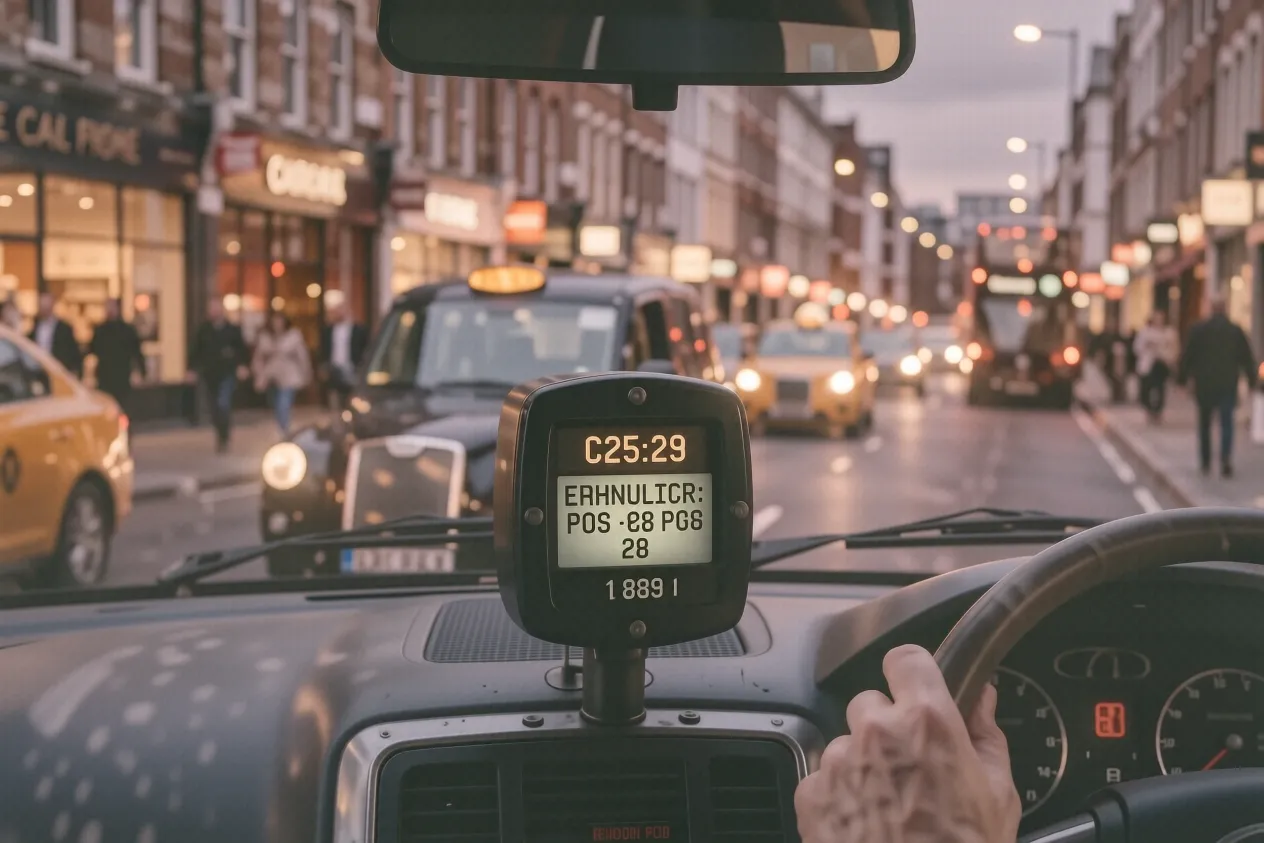
London transport costs vary wildly. A visitor might spend £2.80 on a Tube journey between Zone 1 stations, yet find themselves paying £75 for a black cab from Heathrow to King’s Cross. These price gaps exist because black cabs operate under specific licensing frameworks regulated by Transport for London (TfL). While the Underground offers speed, taxis provide door-to-door service that avoids the heavy lifting of suitcases through narrow station tunnels. We have analysed various fare structures to help you plan your stay.
Understanding the tariff system
Black cab fares are not fixed. Drivers use a taximeter that calculates costs based on distance and time spent in traffic. The Public Carriage Office sets the rates which change depending on when you travel.
Tariff 1 applies during standard weekday daytime hours. You will pay this rate if you travel between Monday and Friday during the day. This is usually the most economical time for a taxi trip.
Tariff 2 covers evening periods. Rates increase slightly after certain weekday hours so that drivers are compensated for later shifts. Expect to pay more for a trip from Mayfair to Shoreditch at 9:00 PM than at 10:00 AM.
Tariff 3 is the most expensive. This applies during late-night hours and on Sundays. If you take a cab from Soho to Greenwich at midnight, the meter will tick faster because of these surcharges.
Comparing modes of transport
The Tube is cheaper. A single journey within Zones 1 and 2 costs around £2.80 to £3.80 when using contactless payment or an Oyster card. This makes the Underground the logical choice for solo travellers on a tight budget.
Buses offer even more savings. London buses have a £1.75 flat fare per journey. You can also benefit from the daily cap, which ensures you never spend more than a set amount on bus travel in a single day.
Black cabs cost significantly more. A trip from Tower Bridge to Soho might cost around £12. This is far higher than a Tube fare, but it saves you the walk from the station to your hotel.
Taxis offer different value. If you are travelling in a group of four, the cost per person drops significantly. Splitting a £35 fare from Soho to Greenwich between four people costs only £8.75 each.
When to choose a black cab
Sometimes, speed is vital. You might need a taxi if you have a tight connection at Paddington or need to reach a specific street corner in Hackney Wick quickly. Drivers know the shortcuts through London’s complex streets.
Accessibility matters too. Many newer models, such as the LEVC TX5, are specifically designed to be wheelchair-accessible. This makes them more reliable than many older Tube stations that still lack step-free access.
Late nights are difficult. After the last Tube trains depart, a black cab becomes your primary option for getting home safely. You won’t have to worry about walking long distances through unfamiliar areas in the dark.
Luggage is a factor. Carrying three heavy suitcases through Leicester Square station is exhausting. A taxi takes you directly to the hotel entrance, which justifies the higher price for many visitors.
Planning your three-day budget
We suggest a hybrid approach. Use the Tube for most daytime sightseeing trips to keep costs low. This keeps your daily spending predictable and manageable.
Budget for evening cabs. If you plan to enjoy dinner in Soho or a show in the West End, set aside money for taxi returns. A single late-night trip might cost £20 depending on the distance.
The Heathrow factor is large. An airport transfer by cab can cost around £75. You should account for this high upfront cost before you even begin your city tours.
Total costs will vary. A three-day visitor might spend £40 on Tube fares and £80 on essential taxi trips. This brings the transport total to roughly £120 for the duration of the stay.
Frequently asked questions
- How much does a black cab cost from Heathrow to Central London?
- A trip from Heathrow to a central location like King's Cross typically costs around £75. This price fluctuates based on the time of day and the specific tariff in effect when you start your trip.
- Can I pay for my taxi with a contactless card?
- Yes, all licensed London black cabs must accept contactless payments. You can use a debit card, credit card, or mobile wallet to pay the driver directly via the meter.
- Is it cheaper to take a bus or a taxi in London?
- Buses are much cheaper. A single bus journey costs £1.75, whereas even a short taxi ride will likely exceed £10. Use buses for simple, direct routes where you do not have heavy luggage.
- Are all black cabs wheelchair-accessible?
- Most modern black cabs are designed to be wheelchair-accessible. You can request these vehicles through various booking apps or by hailing them on the street, though specific models like the LEVC TX5 are common.
- What is the difference between Tariff 1 and Tariff 3?
- Tariff 1 is the standard daytime rate for weekdays. Tariff 3 is a higher rate applied during late-night hours or on Sundays to compensate drivers for working during different periods.
- Do black cabs use a meter?
- Yes, all London taxis must use a taximeter regulated by TfL. The meter calculates the fare based on the distance travelled and the time spent waiting in traffic.
- Is it better to book a taxi or hail one?
- Hailing a cab on the street is often faster for short trips. However, booking a vehicle in advance can be useful if you have a specific time requirement or need a larger vehicle for several people.
Published 17 June 2021. Last updated 11 May 2026.